

Here at O Street Dev, we’re always looking for ways to optimize operations, cut overhead, and keep businesses agile. If your company relies on logistics, deliveries, or hauling, you already know that your fleet is your lifeline. But as we move through 2026, the strategy behind acquiring those vital assets has shifted.
The current used commercial vehicle market is showing immense strength and resiliency. While buying a shiny, brand-new roster of haulers might sound appealing, the financial reality of 2026 makes investing in high-quality used commercial trucks a uniquely strategic move to boost your bottom line.
Here is a look at why pivoting to the pre-owned market—and specifically partnering with major, single-owner fleet management networks—is one of the smartest operational decisions you can make this year.
The Strategic Advantage of Buying Used Today
The math behind buying used commercial vehicles is hard to ignore, especially when you factor in the hidden costs of purchasing new.
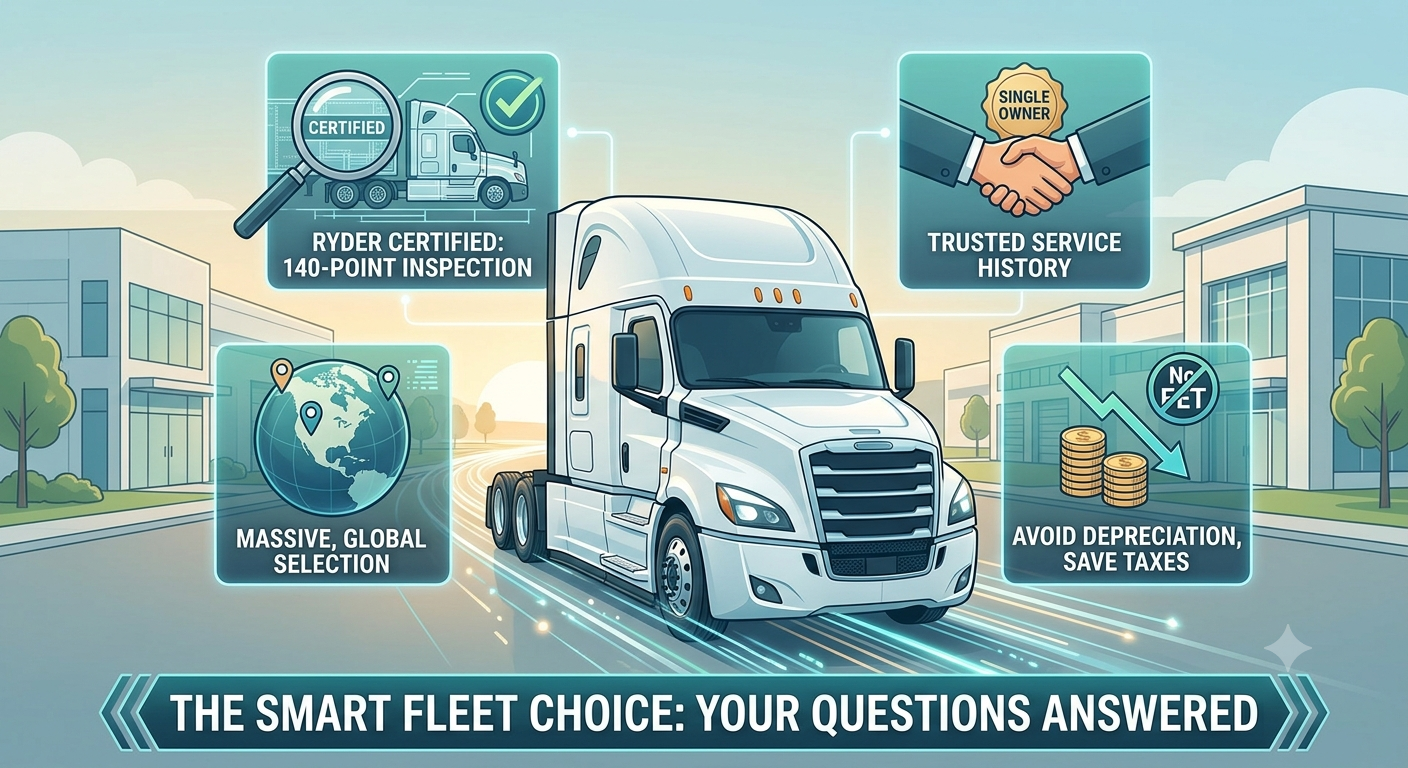
Avoid the FET Penalty: Buying a new heavy commercial vehicle hits you with an immediate 12% Federal Excise Tax (FET). By purchasing a used truck, that 12% tax simply doesn’t apply, leaving valuable cash flow inside your business.
Dodge the Depreciation Curve: A new vehicle is a rapidly depreciating asset, often losing anywhere from 20% to 45% of its value in the very first year. When you buy used, the original buyer has already absorbed that steep early depreciation, meaning you get significantly more truck for your dollar.
Immediate Availability: Supply chains and manufacturing schedules can still cause delivery delays for new, custom-ordered rigs. The used market offers immediate availability—you can browse a lot today and put a vehicle to work tomorrow, completely bypassing production delays.
Lower Insurance Premiums: Because insurance premiums are heavily based on the vehicle’s replacement value, comprehensively insuring a pre-owned truck is generally much cheaper than insuring a brand-new one.
Why Sourcing From Certified Fleet Sellers Stands Out
Deciding to buy used is only half the equation; where you buy dictates the reliability of your new asset. We highly recommend looking at national fleet management companies that sell their off-lease inventory for a few very specific, operational reasons:
1. The “One-Owner” Guarantee
The biggest fear when buying used is inheriting someone else’s neglected maintenance. By purchasing directly from major fleet leasing companies, you are usually getting vehicles that have had just one owner. This means the trucks have been routinely serviced by expert technicians on strict, comprehensive maintenance schedules throughout their entire lifespan.
2. Certified Pre-Owned Quality
Not all used trucks are created equal. Top-tier commercial sellers take the guesswork out of the purchasing process by offering certified programs. These premium vehicles must pass rigorous, multi-point inspections (often checking over 140 individual components) before they ever see the sales lot. They also provide full maintenance histories, so you know exactly what you are buying.
3. Massive Scale and Selection
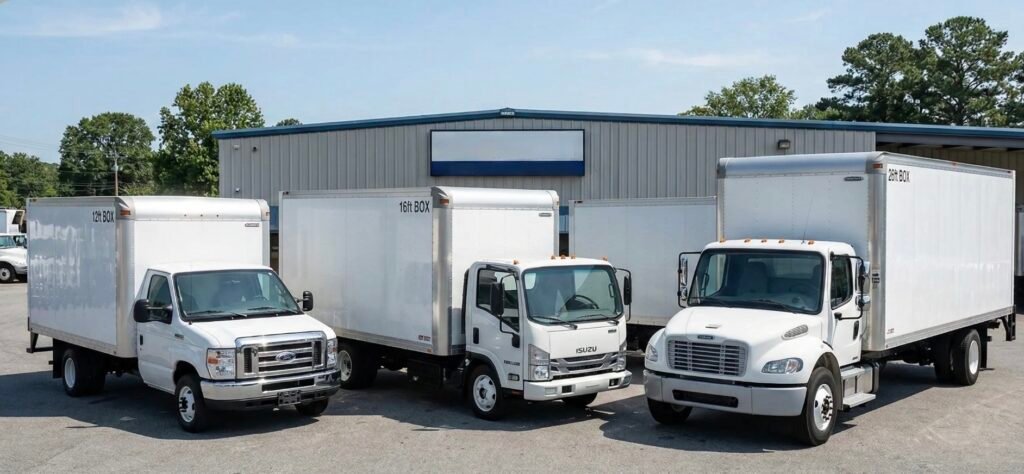
Whether your business needs light-duty cargo vans, medium-duty box trucks with walk ramps and liftgates, or heavy-duty semi-tractors, national fleet networks have the inventory. With used truck centers spread across North America, their sheer volume means you aren’t forced to compromise on the specific class of vehicle your logistics demand.
4. Fleet Buy-Out & Flexible Financing
If you are currently sitting on aging assets, many of these large-scale sellers offer fleet buy-out programs where they will purchase your qualifying used commercial vehicles in exchange for competitive offers. Furthermore, they provide flexible in-house financing options that can even bundle extended warranties and preventive maintenance contracts into a single monthly payment.
The Bottom Line
In a competitive 2026 market where efficiency is everything, tying up capital in brand-new trucks simply isn’t necessary. By leveraging the quality control, transparent maintenance histories, and massive inventory of certified fleet sellers, your business can scale its logistics reliably while keeping overhead low.
Ready to upgrade your logistics? Keep following O Street Dev for more insights on optimizing your business infrastructure.
Contact me today at (405) 592-4292
or request more info here Ryder Vehicle Sales Inquiry – Fill out form
FAQ: Buying Used Commercial Vehicles
Q: Are used commercial fleet vehicles reliable?
A: Yes, provided they come from a reputable source. Vehicles sourced from major fleet management companies often have a single-owner history and have been subjected to strict, standardized maintenance schedules throughout their entire lifecycle.
Q: How does buying a used commercial truck save on taxes?
A: Buying a used heavy commercial truck completely avoids the 12% Federal Excise Tax (FET) that is legally required when purchasing a brand-new heavy-duty vehicle. This keeps significant capital inside your business.
Q: Can I finance a used commercial truck?
A: Absolutely. Most large-scale certified fleet sellers offer competitive, in-house financing. You can often bundle the cost of the truck, extended warranties, and preventive maintenance plans into a single, predictable monthly payment.
Q: Is it better to buy or lease a commercial truck?
A: It depends on your operational goals. Buying a used truck outright or financing it builds equity and generally lowers your total cost of ownership over time. Leasing offers lower upfront costs and easier access to newer models but does not build long-term asset value for your business.
Q: What is a DOT inspection, and do I need one before buying?
A: A Department of Transportation (DOT) inspection ensures all required safety and mechanical components meet strict federal standards. You should always request that the dealership or seller perform and pass a DOT inspection prior to finalizing your purchase.
Leave a Reply